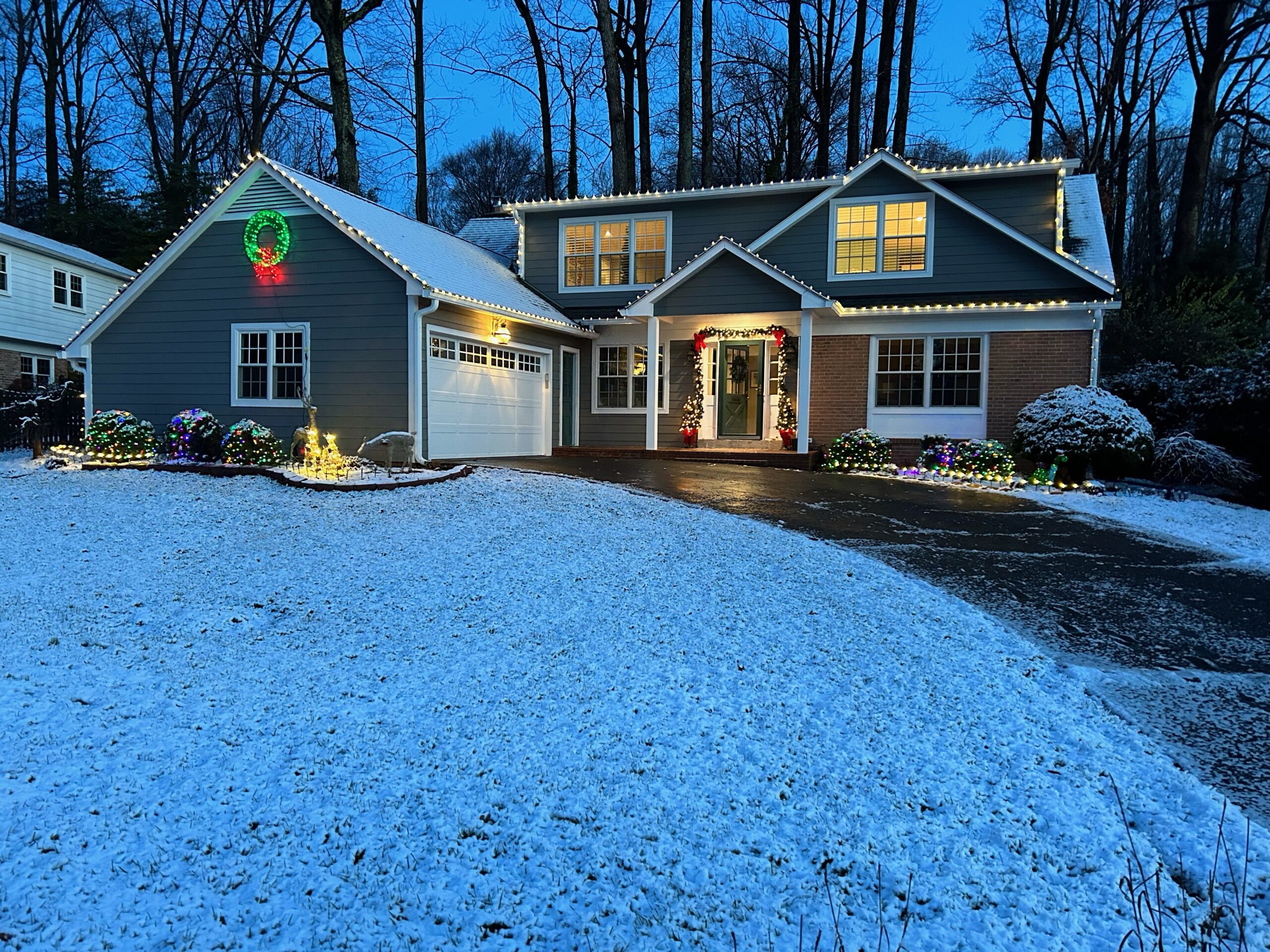
As the cold weather sets in, your home requires a fresh round of care — not just for comfort, but to prevent damage, boost energy efficiency, and keep your home safe all winter long.
Before the Snow Falls: Critical Checks
- Service your heating system (HVAC / furnace/boiler).
Your heating system works overtime during winter. Have a qualified technician inspect it early: clean or replace filters, check for airflow issues, ensure safe operation, and verify your thermostat works properly. This not only lowers the risk of breakdowns but also ensures efficient heating — which can save on energy bills. - Insulate and protect pipes (especially exposed, outdoor, or basement ones).
Freezing temperatures can cause pipes to burst — a costly and stressful problem. Insulate any exposed indoor pipes (basements, crawlspaces, exterior-wall plumbing), and be sure to turn off, drain, and cover outside faucets or hose bibs. Consider adding insulation or a protective wrap to hot-water pipes and even your water heater to reduce heat loss and improve efficiency. - Inspect and clean gutters, downspouts, roof and flashing.
Clogged gutters can lead to ice dams, which trap melting snow and cause leaks under roof shingles — possibly damaging ceilings or walls. Check for missing or damaged shingles, cracked or deteriorated flashing around vents, chimneys, or skylights — and repair as needed.
Seal Up the House — Keep Warm Air In, Cold Air Out
- Weather-strip and caulk windows, doors, and any gaps.
Drafts around windows, doors, and other openings can let cold air in and warm air out — undermining your heating efforts and raising energy costs. Inspect and replace worn weather-stripping, and re-caulk frame edges and other vulnerable spots. Even small gaps can significantly impact warmth and efficiency. - Add or check insulation — attic, walls, and basements.
Heat rises, and without proper insulation, warm air can escape through your attic and upper floors — increasing heating bills and encouraging ice dams. If insulation is thin or missing, consider adding more — especially in attics and crawlspaces.
Safety & Comfort — Don’t Skip These
- Test detectors & safety devices.
Cold weather often means increased use of your heating system — but also increased risk. Check smoke detectors, carbon-monoxide detectors, and any other safety or alarm systems up front. - Inspect fireplaces, chimneys, vents, and exhausts.
If you use a fireplace or wood stove, make sure the chimney is clean and clear of obstructions (like nests, leaves, or debris). A blocked chimney can lead to smoke buildup or carbon-monoxide hazards. Also consider servicing flues or vents for furnaces/boilers to ensure proper ventilation and safe operation.
Exterior & Landscaping Prep
- Trim trees and remove hazardous branches.
Winter storms and heavy snow can cause tree limbs to snap, potentially damaging your roof, siding, or windows. Trim any overhanging branches well before snow or ice arrives. - Clear walkways, driveways, and check outdoor concrete or pavement.
Fix cracks or uneven surfaces now — water can seep in, freeze, expand, and worsen the damage during winter. This helps avoid trip hazards and costly repairs come spring.
Plan — And Get Professional Help When Needed
- Schedule a winter readiness walkthrough (especially if you’re unsure or suspect larger issues).
Some tasks — like major roof repair, chimney cleaning, or complex HVAC work — are best handled by professionals. - Stock up on winter essentials.
Have salt or de-icer ready for walkways, shovels or snow removal tools accessible, and emergency supplies (flashlights, batteries, blankets) on hand in case of power outages or brutal cold spells.
Why Winter Prep Matters
- Prevent costly damage — Frozen pipes, roof leaks, ice dams, and water damage rank among the most expensive winter issues. Regular maintenance dramatically reduces these risks.
- Boost energy efficiency & comfort — Sealing drafts, insulating properly, and servicing heating systems help keep your home warm and your bills steady.
- Safety first — Properly functioning heating, detectors, and chimney/vent systems protect you and your family from fire or carbon-monoxide hazards.
- Peace of mind — When winter arrives, you’ll be ready — with fewer surprises, fewer stressors, and more time to enjoy cozy evenings indoors.