
Creating a home that is safe, comfortable, and accessible as you age is one of the best investments you can make for your future independence. “Aging in place” doesn’t have to mean your home looks like a hospital; it’s about smart, proactive design that prevents falls and makes daily tasks easier.
Here is a room-by-room guide to getting your house ready for the long haul.
1. The Entryway: Creating a Warm (and Safe) Welcome
Independence starts at the front door. The goal here is to eliminate tripping hazards and ensure easy access.
-
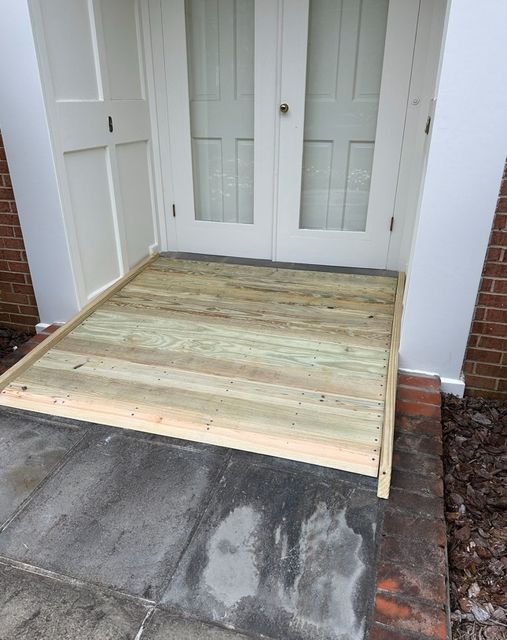
The No-Step Entry: If possible, ensure at least one entrance to the home has no steps. If that isn’t feasible, consider a sturdy ramp with handrails.
-
Better Lighting: Install motion-sensor lights or “dusk-to-dawn” fixtures so you never have to fumble for keys in the dark.
-
Smart Locks: Keyless entry pads or smart locks mean no more struggling with tiny keys and stiff locks.
2. The Living Room: Comfort Without the Clutter
The living room should be a place of relaxation, but it often hides “trip traps.”
-
Clear the Paths: Ensure there is a wide, clear path (at least 36 inches) between furniture pieces for easy navigation, even with a walker or wheelchair.
-
Remove Throw Rugs: Rugs are the #1 cause of falls. If you must have them, use double-sided tape or non-slip pads to secure them firmly to the floor.
-
Firm Seating: Choose chairs and sofas with firm cushions and sturdy armrests. Lower, “squishy” sofas are much harder to get out of as muscle strength changes.
3. The Kitchen: Efficiency Within Reach
A kitchen should be designed to minimize bending, reaching, and heavy lifting.
-
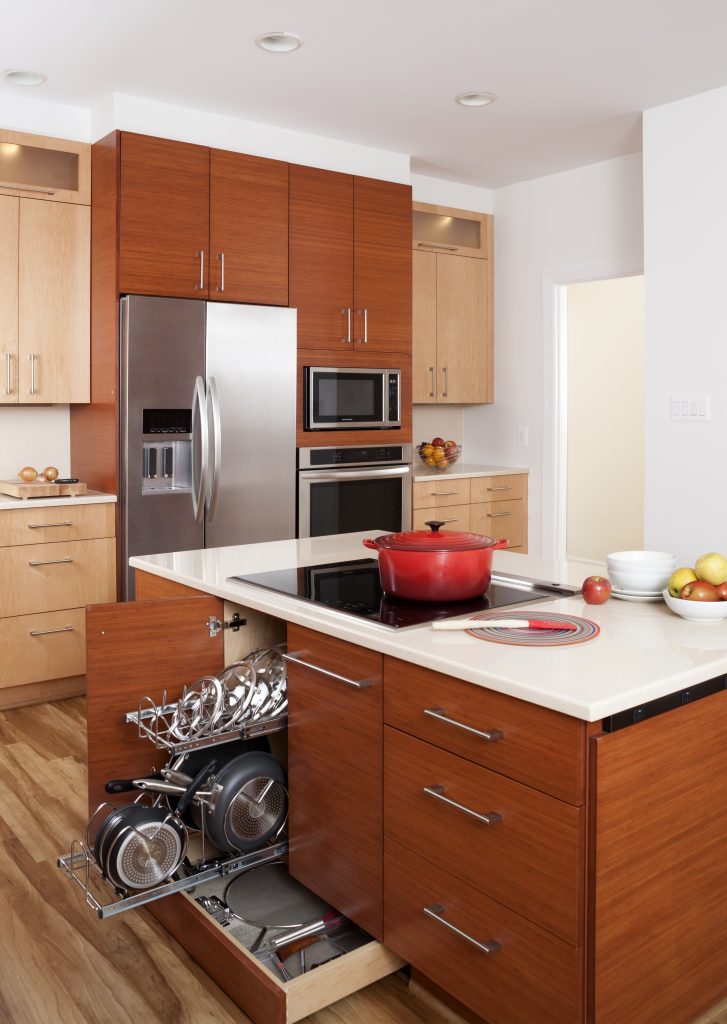
Pull-Out Shelving: Install “lazy Susans” or pull-out drawers in lower cabinets so you don’t have to get on your knees to find a pot.
-
D-Shaped Handles: Swap out small round knobs for D-shaped drawer pulls. They are much easier for arthritic hands to grip.
-
Lever Faucets: Replace twist-knobs with a single-lever faucet or a touchless model.
4. The Bathroom: The Most Important Upgrade
Statistically, the bathroom is the most dangerous room in the house. A few modifications can significantly reduce risk.
-
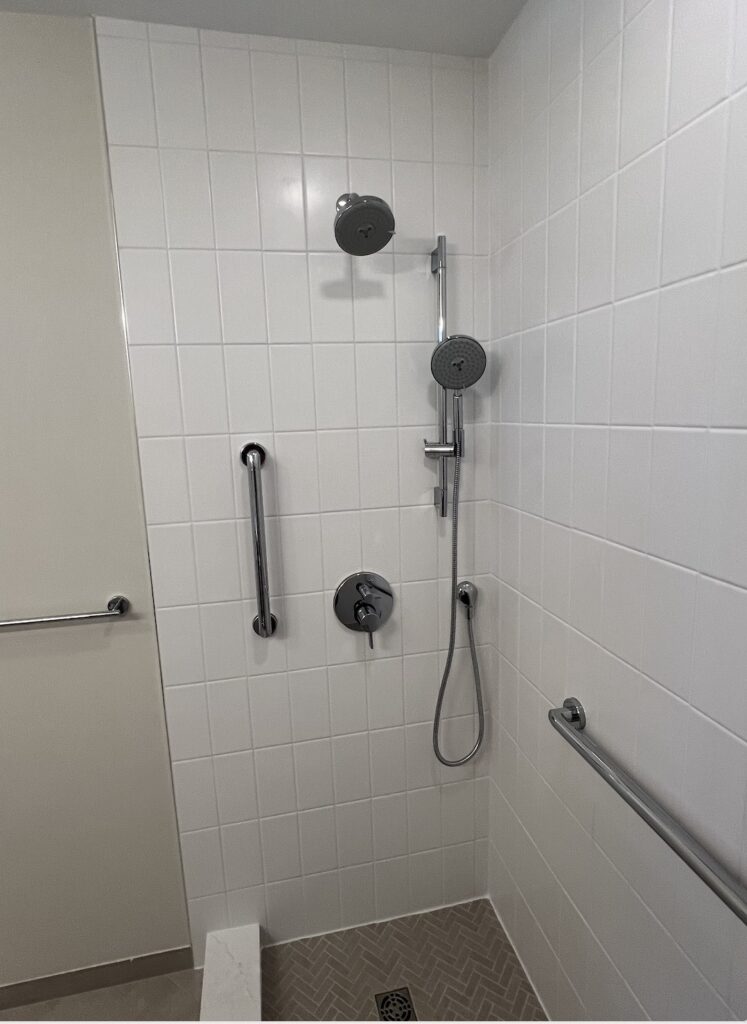
Curbless Showers: A walk-in shower with no lip (zero-entry) eliminates the need to step over a high tub wall.
-
Grab Bars: Install high-quality grab bars near the toilet and inside the shower. Note: Towel bars are not grab bars and will pull out of the wall if you put your weight on them.
-
Comfort Height Toilets: Replacing a standard toilet with a “chair height” or “comfort height” model (about 2 inches taller) makes sitting and standing much easier on the knees.
5. The Bedroom: A Sanctuary for Rest
Your bedroom should be a place where everything is within arm’s reach.
-
Bed Height: Ensure your bed is at a height where your feet touch the floor comfortably when sitting on the edge.
-
The Nightstand Setup: Place a lamp, a phone, and a flashlight within easy reach of the bed. Consider a bed rail if you find it difficult to roll or sit up.
-
Closet Lighting: Install battery-operated LED lights inside closets so you can see your clothes without straining.
6. Hallways and Stairs: Lighting the Way
-
Double Handrails: If you have stairs, ensure there are sturdy handrails on both sides of the staircase.
-
Contrast Strips: Apply a strip of contrasting tape or paint to the edge of each step to help with depth perception.
-
Night Lights: Use plug-in LED night lights in every hallway and bathroom to ensure a “glow path” for midnight trips to the kitchen or restroom.
You don’t have to renovate your entire house in one weekend. Start with the “low-hanging fruit”—replacing light bulbs with brighter LEDs, removing rugs, and swapping out door knobs for levers. By making these changes now, you are ensuring that your home remains your sanctuary for years to come.
